| | by admin | | posted on 2nd March 2023 in Quakers Through the Ages | | views 35 | |
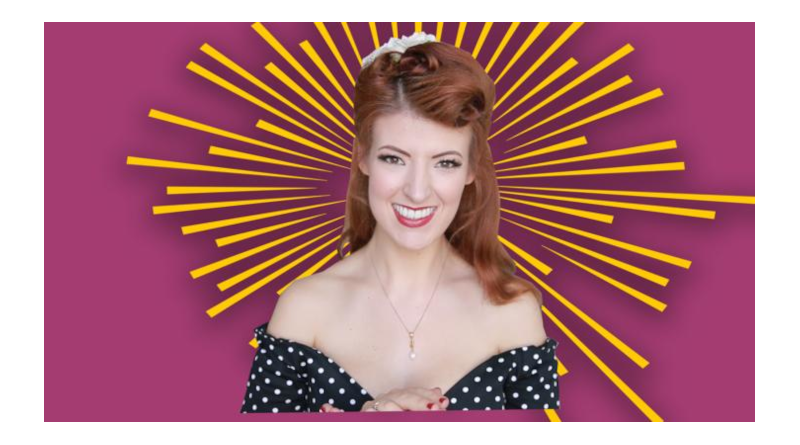
A modern Quaker public voice, Jessica Kellgren-Fozard has used digital storytelling to make disability justice, LGBTQ+ history and everyday joy feel like belonging rather than exception.
Born in 1989 in London and raised in Bristol, Jessica grew up in a creative household where storytelling and visual culture were part of daily life. She later studied Film and Screen Studies at the University of Brighton, training that shaped the clarity and structure of her work.
She was also formed within the Society of Friends. Educated at Sidcot School, she encountered a tradition grounded in reflection, equality and moral consistency. Her Quakerism was not forged in drama or persecution. It was absorbed steadily through practice and community.
Those instincts would later surface in public.
In 2011, Jessica began uploading videos to YouTube. The platform was reactive and often combative. Into that space she brought explanation rather than escalation.
Her channel, Jessica Out of the Closet, combines personal narrative with accessible history, cultural commentary and reflections on faith. Early videos addressed disability and sexuality with candour. Over time her work widened to include queer history, vintage aesthetics and family life.
She does not rely on outrage. She clarifies. She challenges assumptions calmly and names injustice without spectacle.
This is not softness. It is control.
Jessica has produced videos explaining Quaker belief and practice in clear, direct language. She describes Quakerism as lived experience — sitting in silence, listening inwardly, trusting shared discernment.
She emphasises equality and conscience. No person stands closer to God than another. Authority is not confined to clergy. Faith is tested in action.
She speaks personally rather than abstractly. She explains what Quakerism means in her own life. Experience comes before theory. That order matters.
Jessica is deaf and lives with chronic health conditions including Ehlers-Danlos syndrome and postural orthostatic tachycardia syndrome. She speaks about these realities directly.
In describing the burden of constant explanation, she has said:
“It hurts to have to explain painful, long and complicated reasons behind injuries when people expect a light-hearted story.”
The remark captures a familiar tension. The body becomes public property. Pain must be translated into something socially acceptable.
Jessica refuses that expectation. She explains access needs, energy limits and medical complexity with precision. She reframes disability as identity rather than defect. As she has stated:
“If someone doesn’t wish to identify as disabled, that’s obviously perfectly fine, but for me, disability is a really positive word. It’s affirming and uplifting and I want to help other people to see it that way.”
There is a recognisable Quaker quality in this plain speech. Early Friends valued truth without ornament. Jessica’s openness follows that pattern.
Visibility becomes witness.
Openly lesbian and married to her wife Claudia, Jessica shares aspects of family life online. These moments are not sensational. They are ordinary.
That ordinariness is significant. For generations, queer lives were framed through controversy or crisis. Jessica offers another register: affection, humour, routine and commitment.
Joy, in this context, carries weight. It resists the assumption that marginalised lives must be defined by suffering. It insists on fullness rather than survival.
Belonging, in her work, is not assimilation. It is presence without apology.
A distinctive feature of Jessica’s channel is her engagement with history. She highlights queer figures from the past and traces the cultural conditions that shaped their lives.
History becomes solidarity across time. Viewers are reminded they are not unprecedented. Others have lived and resisted before them.
This instinct echoes a long Quaker practice. Early Friends recorded their experiences so courage could travel forward. Stories were preserved to sustain witness.
Jessica’s historical storytelling serves a similar function in digital form.
Jessica’s influence extends beyond her channel. She has appeared on television, written publicly about disability and identity, and received recognition within the British LGBTQ+ community.
Her authority, however, rests less on awards than on consistency. For more than a decade she has maintained a voice that is principled without aggression and personal without exhibitionism.
In a media culture built on volatility, that steadiness is striking.
Quaker history often highlights preachers, prisoners and pamphleteers. Jessica Kellgren-Fozard represents another form of witness. She speaks through a camera into homes across the world. She explains. She contextualises. She affirms.
Her work shows that contemporary Quaker witness does not require spectacle to be radical. Joy is testimony. Accessibility is activism. Belonging is resistance.
In a digital age shaped by outrage and division, she models another way &mdsah; truth without hostility, visibility without performance, conviction without cruelty.
That is strength. And it belongs firmly within the unfolding story of the Friends.
Rooted in Quaker radical faith & activism, YQN empowers young adults to explore Quakerism, challenge injustice, and build a more peaceful future through friendship.