| | by admin | | posted on 1st May 2023 in Power to Protest | | views 969 | |
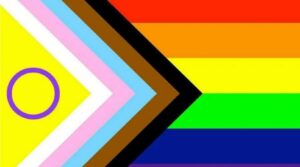
The Progress Pride Flag represents the ever evolving change in recognising LGBTQ+ identity.
The original Pride flag was created by American artist and gay rights activist Gilbert Baker, and first displayed in 1978 to be a symbol for the LGBT community.
The original design had eight stripes with a specific meaning for each colour:
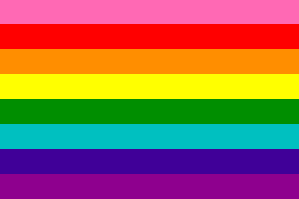
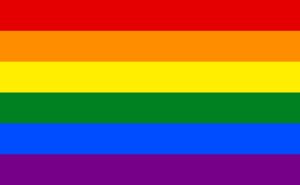
A year later the pink and turquoise stripes were dropped owing to a shortage of pink fabric at the time and legibility concerns, resulting in the six-colour rainbow flag most commonly used today. The meaning of the six colours is now generally recognised as follows:
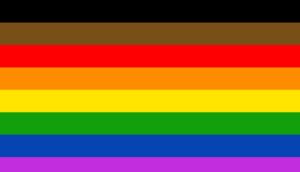
In 2017, Philadelphia: The United States’ Landmark City Of LGBTQ+ Rights, added black and brown stripes to the Pride flag to recognise people of colour.
One year later in 2018, the artist Daniel Quasar released a redesign of the Pride flag, called the Progress Pride flag, which was widely shared on social media.
It included black, brown, pink, pale blue and white stripes, to represent marginalised people of colour in the LGBTQ+ community, as well as the trans community, and those living with HIV/AIDS.
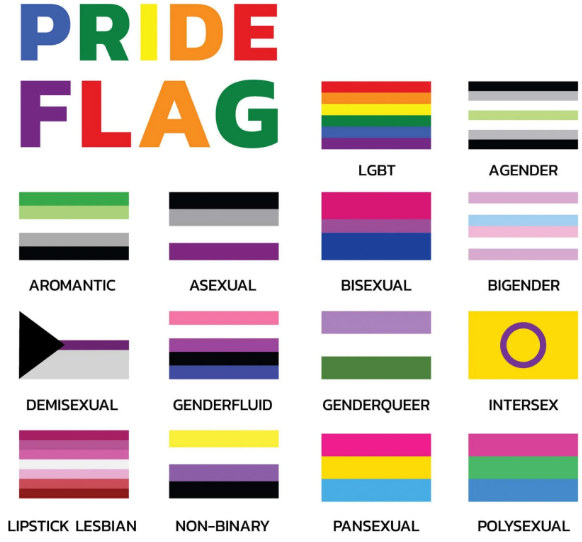
As the LGBTQ+ movement has become more inclusive and aware of itself, various segments have created their own flags to fly alongside the Pride Flag. Many of them incorporate Baker’s original 1978 design but add more colors and elements to acknowledge various people within the expanding community.